Archives
- 2026-09
- 2026-08
- 2026-07
- 2026-06
- 2026-05
- 2026-04
- 2026-03
- 2026-02
- 2026-01
- 2025-12
- 2025-11
- 2025-10
- 2025-09
- 2025-03
- 2025-02
- 2025-01
- 2024-12
- 2024-11
- 2024-10
- 2024-09
- 2024-08
- 2024-07
- 2024-06
- 2024-05
- 2024-04
- 2024-03
- 2024-02
- 2024-01
- 2023-12
- 2023-11
- 2023-10
- 2023-09
- 2023-08
- 2023-07
- 2023-06
- 2023-05
- 2023-04
- 2023-03
- 2023-02
- 2023-01
- 2022-12
- 2022-11
- 2022-10
- 2022-09
- 2022-08
- 2022-07
- 2022-06
- 2022-05
- 2022-04
- 2022-03
- 2022-02
- 2022-01
-
br Experimental methods br Acknowledgments We
2022-01-26
Experimental methods Acknowledgments We thank all members of the Hermanson lab, especially Ana Teixeira, Shirin Ilkhanizadeh and Karolina Wallenborg, for assistance and discussions, Peter Löw for anti-synaptotagmin antibody, and Lars Björklund, Ole Isacson, Christer Höög, Claes Wahlestedt and
-
br Introduction Glucose homeostasis is primarily regulated b
2022-01-26
Introduction Glucose homeostasis is primarily regulated by the hormones insulin and glucagon, secreted from the pancreatic islets of Langerhans. Although insulin produced by β Trigonelline is the blood glucose-lowering hormone, glucagon secreted from α cells acts as the major counter-regulatory
-
How do myofibroblast sources compare between bone
2022-01-26
How do myofibroblast sources compare between bone marrow and other organs? Perivascular Neuregulin/Heregulin-1β (NRG-1β/HRG-1β), human recombinant protein with MSC properties significantly contribute to fibrosis in muscle, fat, skin, heart, kidney, lung, and liver (reviewed in Iwayama et al., 2015)
-
It is widely acknowledged that CpG methylation
2022-01-26
It is widely acknowledged that CpG methylation of the promoter regions of some genes plays an important regulatory role in transcriptional regulation and in the establishment and maintenance of cell type-specific gene expression (Li, 2002, Jaenisch and Bird, 2003). This study obtained multiple lines
-
Gap junctions mediate electrical coupling between cells by
2022-01-26
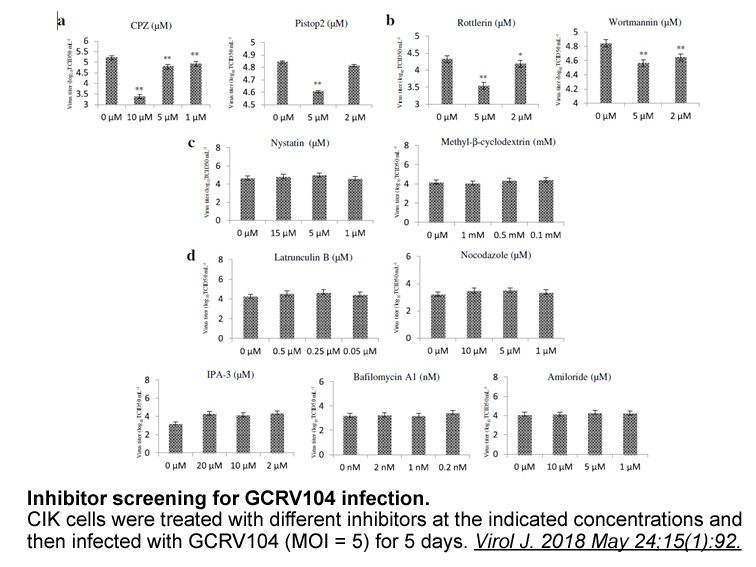
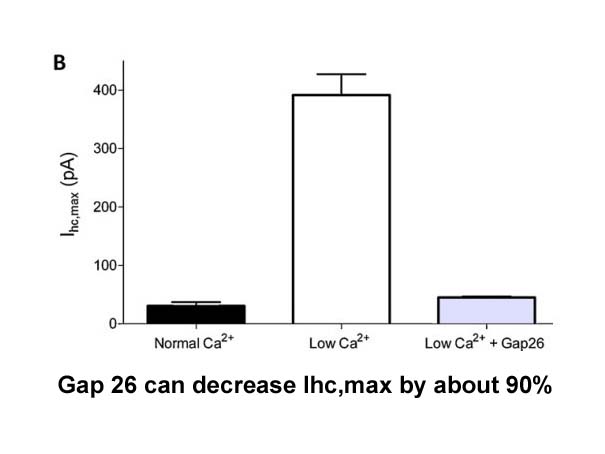
Gap junctions mediate electrical coupling between cells by conducting direct ionic currents and thereby modulate their electrical activity (Hormuzdi et al., 2004). In the nervous system, electrical coupling organizes network activity by amplifying and synchronizing neuronal firing (Galarreta and Hes
-
Most of the above mechanisms are
2022-01-26
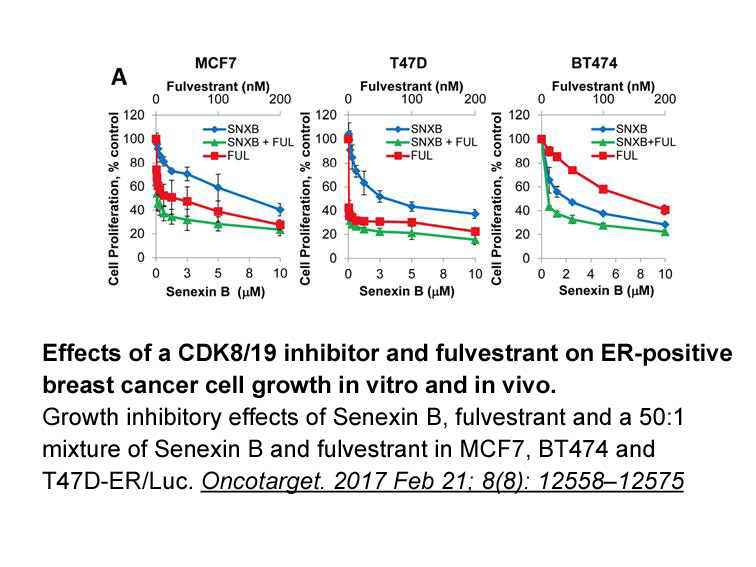
Most of the above mechanisms are implicated in attenuation of myocardial I/R injury. However, the role of GalR2 receptor activation in cardioprotection remains unclear because of the lack of receptor subtype selectivity of peptides G2 and G3. It has been shown that Ala5-galanin (2–11) (G4) has a hig
-
br G protein coupled receptor GPR also known as a
2022-01-26
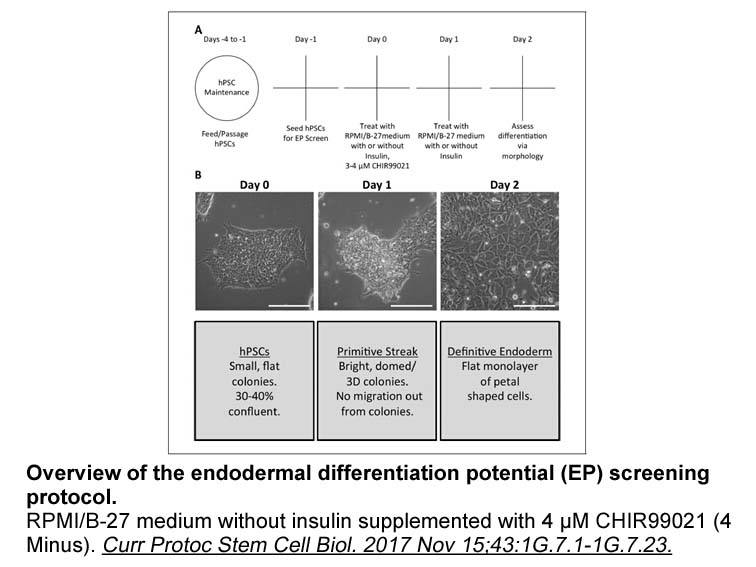
G-protein coupled receptor 40 (GPR40), also known as a free fatty troglitazone receptor, is dominantly expressed in pancreatic β cells and intestine K, L cells., . Besides, GPR40 is also reported to be expressed in brain, but its function is still unknown. It is well documented that GPR40 agonist
-
On the contrary the benzhydrol series showed
2022-01-26
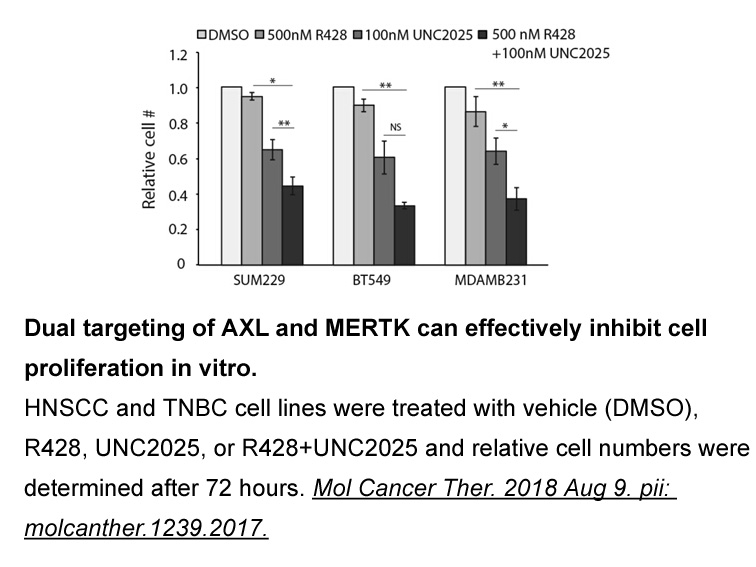
On the contrary, the benzhydrol series showed modest activity with EC of two digit micromole. The bulkiness of the aspirin solubility tail may be the reason for the low activity. Interestingly, introduction of H-bonding groups, such as OMe in and CF in , slightly improved the activity compared to
-
YM 155 We then explored the possible mechanisms by which
2022-01-26
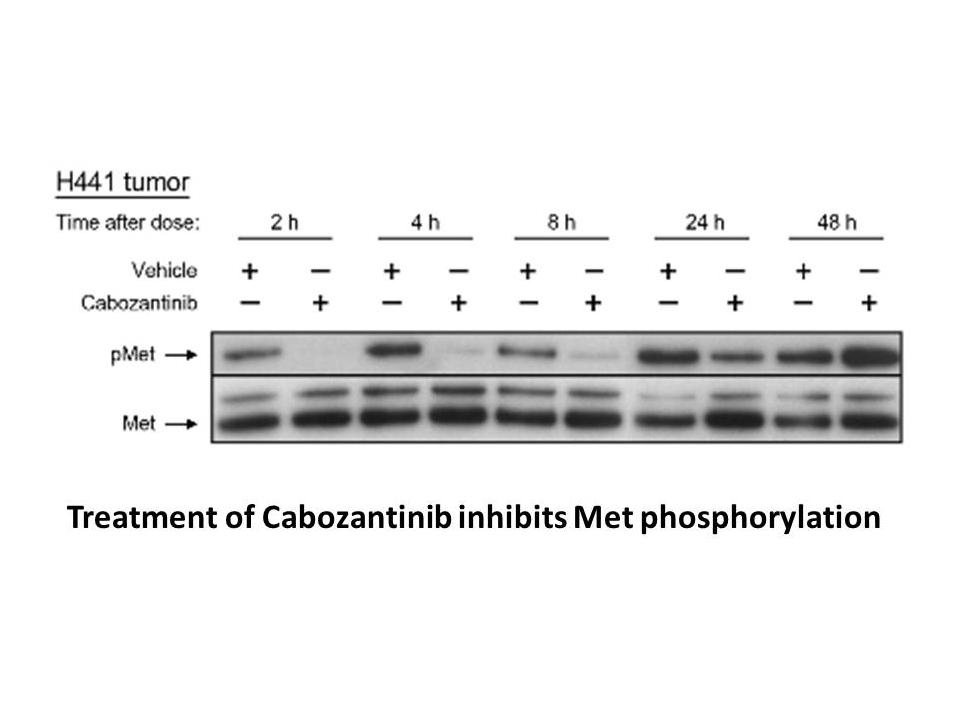
We then explored the possible mechanisms by which integrin α5β1 was involved in the PHEV proliferation process. Normally, the virus activates integrin and induces its downstream protein activation to promote its own invasion and proliferation. Human papillomavirus type 16 (HPV16) binds to heparan su
-
The molecular mechanisms underlying VSMC
2022-01-26
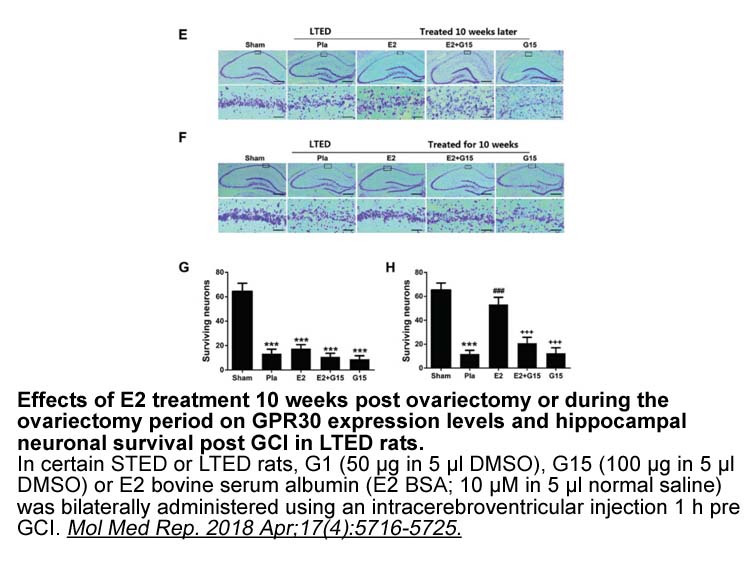
The molecular mechanisms underlying VSMC ETB receptor upregulation have been studied after 24–48h organ culture in both coronary and cerebral arteries. The increased expression of contractile ETB receptor at these time points has been shown to depend on transcriptional mechanisms and PKC and the ext
-
br Concluding Remarks One of the remarkable features of Hipp
2022-01-26
Concluding Remarks One of the remarkable features of Hippo signaling is its sensitivity to the cytoskeleton and mechanical forces. Progress has been made recently in identifying molecular mechanisms by which the cytoskeleton can influence Hippo signaling, but among the many outstanding questions
-
br Experimental section The parts of chemicals and regents p
2022-01-26
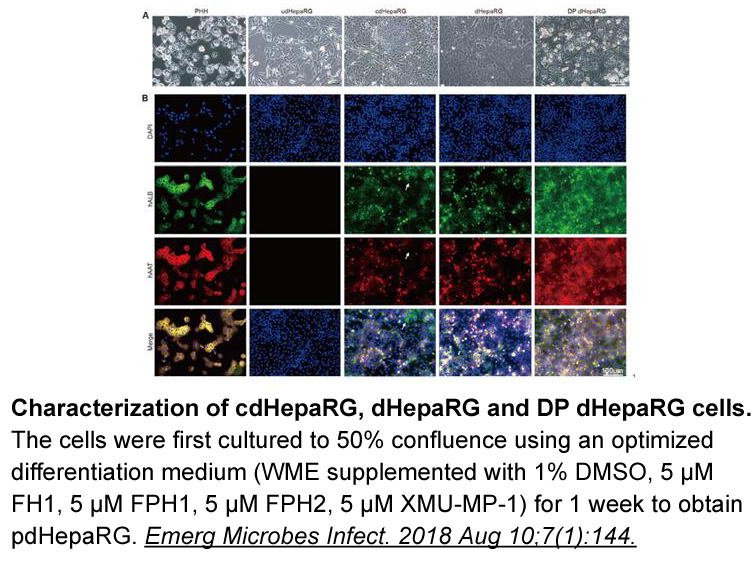
Experimental section The parts of chemicals and regents, preparation of solutions, pre-treatment of the bare Au electrode, cell culture, cytotoxicity in vitro, cell imaging, characterizations, and electrochemical measurements are supplied in the S1 (See the Supplementary Information). The prepara
-
Increased expression of Glut is detected in a number of
2022-01-25

Increased expression of Glut1 is detected in a number of cancer types including lung [7], brain [8], bladder [9], cervical [10], colorectal [11], esophageal [12], hepatocellular [13], head and neck [14], gastric [15], ovarian [16], renal cell [17], pancreatic [18], thyroid [19] and breast [20]. Over
-
Nevertheless in the brain we found that trehalose
2022-01-25
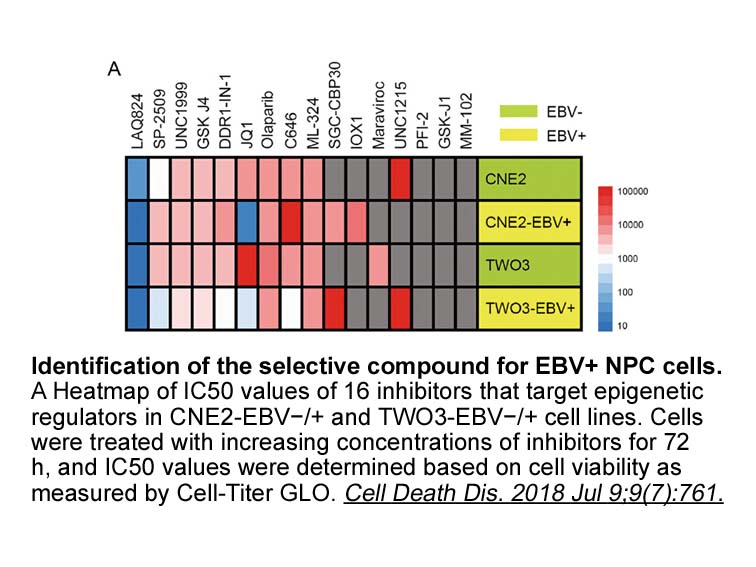
Nevertheless, in the brain, we found that trehalose phosphorylates AMPK, which is a metabolic sensor. AMPK is known to be transiently activated in muscle by acute exercise [21,22]. Bayod et al. also reported that AMPK was significantly activated in both the cerebral cortex and hippocampus in exercis
-
Two intermediate compounds A and B in
2022-01-25
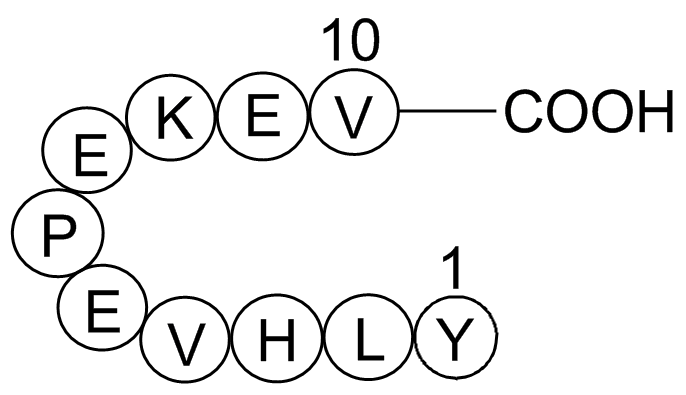
Two intermediate compounds (A and B in Fig. 1) were tested for both Aβ40 and CYP3A4 inhibition activity. Potential hydrolysis of structures I and IIin vivo may produce A which is a strong CYP3A4 inhibitor. Cyclopropanol group is a suspected liability, because Griseofulvin sale B without it has a cl
8526 records 553/569 page Previous Next First page 上5页 551552553554555 下5页 Last page